

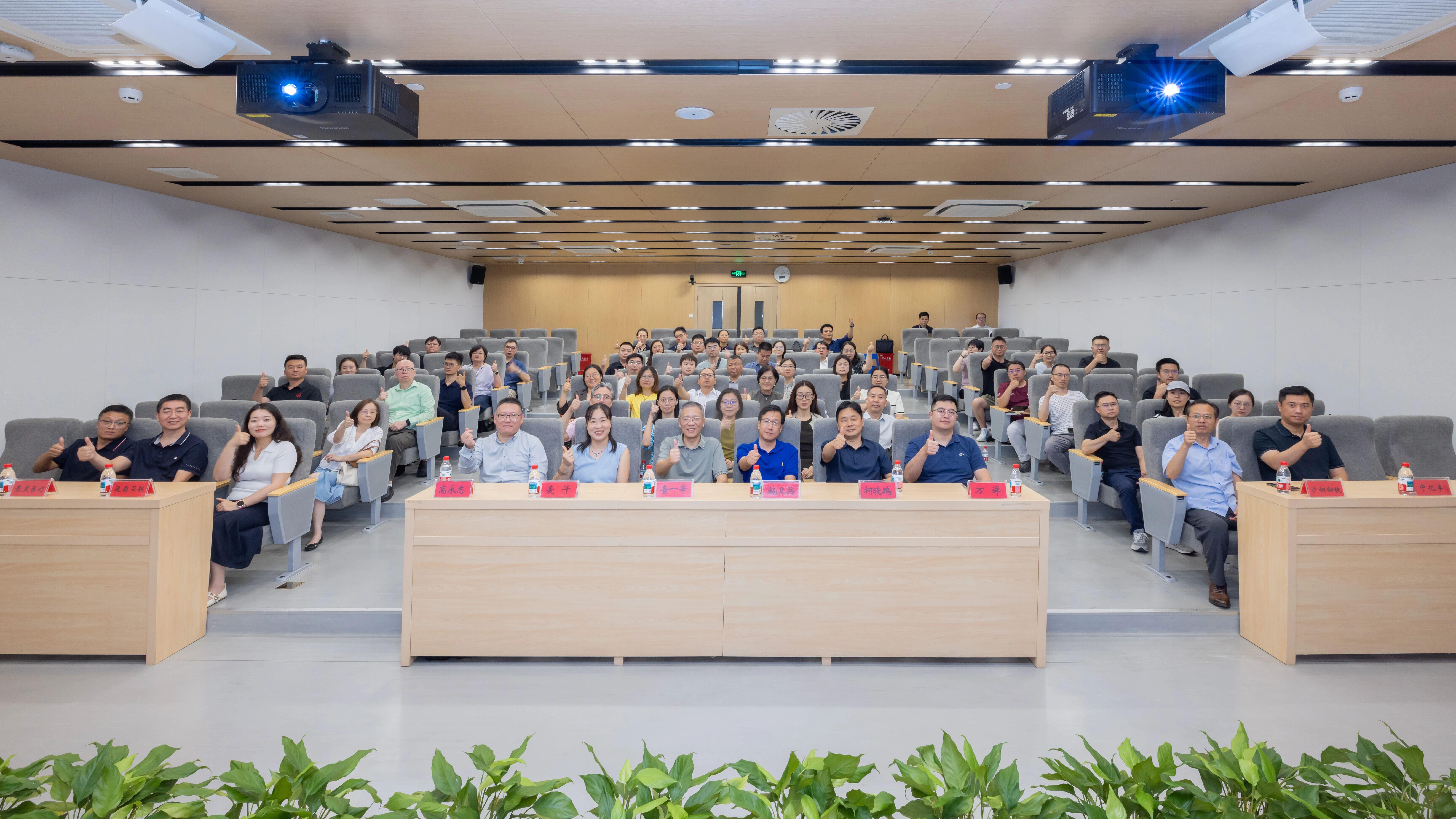
On 29 August, the 3rd session of the "Lakeside Saturday" IP Lecture Series was successfully held by the Dushu Lake. Hosted by Suzhou Administration for Market Regulation (Intellectual Property Bureau) and undertaken by the Practical Base (Yangtze River Delta) of China Intellectual Property Training Center, the event was co-organized by Suzhou Industrial Park Library. More than 60 participants, including senior decision-makers from enterprises in the Yangtze River Delta region and representatives of relevant municipal authorities, gathered to discuss new prospects for intellectual property strategies in the AI era.
I. Keynote Speech: Decoding the New Infrastructure of IP in the AI Era
Centered on the theme “IP New Infrastructure in the AI Era: From Data Right Confirmation to a Full-factor Strategic Moat”, Ke Xiaopeng, Director of Patent & Legal Affairs at Alibaba Group, delivered an in-depth sharing featuring forward-looking strategies and practical implementation guidance. He pointed out that data right confirmation forms the foundation of property rights in the AI era. As a new type of production factor, data’s ownership definition, circulation rules and value distribution constitute the first cornerstone that enterprises must establish.
He then systematically unpacked core topics including data right confirmation, patent deployment strategies for AI large models, patent portfolio management and full-factor coordination, offering a clear roadmap for enterprises to secure their positions and build systematic defences in the AI track.
“Patents are not collectibles, but assets for operation.” Ke Xiaopeng emphasized that in the AI era, intellectual property serves not only as a defensive shield, but also an offensive spear and an enabling engine. Enterprises should shift from a quantity-oriented mindset to a value-oriented one, and build a full-factor strategic moat covering data, algorithms, computing power, patents, trademarks and more, so that patents can truly become competitive tools. Taking the Tongyi Large Model as an example, he thoroughly analysed the dynamic balance between open-source ecosystems and patent protection, and provided highly targeted recommendations for the participating enterprises, which resonated strongly with the audience.
II. Panel Discussion: Exploring the True Value of IP Talents
Strategy implementation must be tested by real-world practices and supported by IP teams who “hear the gunfire on the ground”. In the second half of the event, moderated by Mai Zi, Partner at Maice Consulting and a senior headhunter specialising in IP, legal and compliance sectors, three guests — Ke Xiaopeng (Director of Patent & Legal Affairs, Alibaba Group), Wan Yang (Director of Intellectual Property Department, ECOVACS GROUP), and Gao Yongzhi (Senior Partner, Shanghai Chenghao Intellectual Property Agency) — engaged in a lively debate on the changing enterprise demands for IP talents.
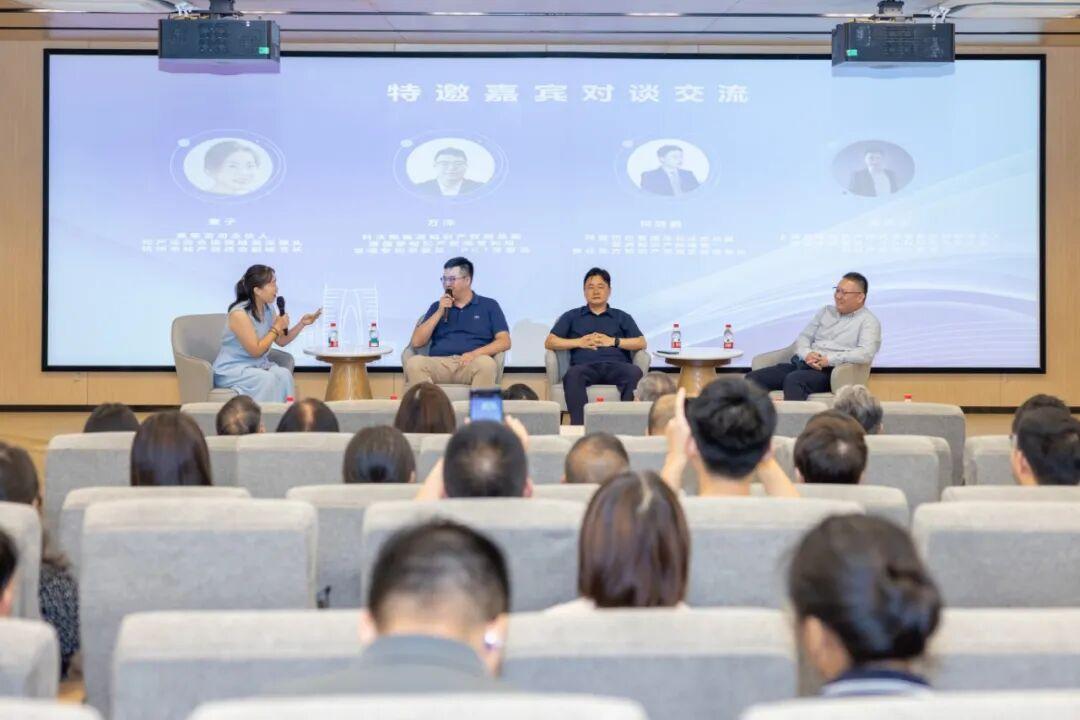
Wan Yang pointed out that IP professionals should not merely act as "gatekeepers" of patent grant rates, but also as "operators" of commercial value, translating patent terminology into business language that leadership can understand, business teams can utilise and the market can recognise. Gao Yongzhi stated frankly that the root cause for many marginalised IP teams lies in their self-positioning as cost centres. To reverse this situation, IP practitioners need to not only clarify whether a patent can be granted, but also quantify the value patents can bring to the company and the risks they can mitigate.
When discussing changes brought by AI, Ke Xiaopeng argued that the core competitiveness of IP professionals in the AI era is shifting from information asymmetry to judgement and decision-making capabilities. Interdisciplinary talents equipped with both AI technical background and intellectual property expertise will become highly sought-after scarce resources in the next three years. Drawing on their practical experience, the three guests jointly explored the pathways for IP talents to evolve from "specialised professionals" to "interdisciplinary and strategic talents" in the AI era, offering highly inspiring ideas on talent development for the entrepreneurs present.


